Balance a crater game drive with several Serengeti nights, realistic transfers, and a camp location chosen for your travel dates and wildlife interests.
Serengeti and Ngorongoro create different kinds of safari days. One offers the scale of a large landscape explored from a carefully chosen base; the other centres a wildlife outing within a remarkable volcanic setting. Plan the combination around time in the field rather than the number of names on the itinerary.
Before you start planning
- Count full game-viewing days separately from transfer days.
- Choose the Serengeti area and camp location around your dates and interests.
- Treat a crater day and several Serengeti nights as complementary experiences.
Begin with the difference in landscape
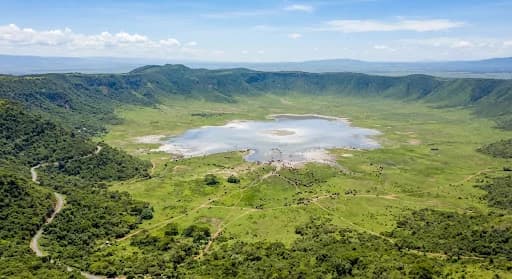
Ngorongoro Conservation Area includes the crater and a wider landscape of other craters, savannah, forests, and cultural sites. A crater game drive is one part of that larger area. The Serengeti is a separate national park with its own access, accommodation, and visitor arrangements.
Think about how you enjoy observing wildlife. Some travellers want a concentrated day in a distinctive setting; others want repeated mornings and evenings in one wider area. Combining the two can give variety without making every night a move to another base.
Sources: Ngorongoro Conservation Area Authority — craters and wildlife · TANAPA — Serengeti visitor guide
Plan a crater day with realistic logistics
Discuss where you will sleep before the descent, when the vehicle will leave, and where you go afterwards. Those choices shape how much of the day is spent travelling and how much is spent observing. The conservation authority requires a licensed guide for visits to the crater.
A single planned crater game drive can be a useful starting point for a first northern-circuit itinerary, but it is not a universal rule or a guaranteed list of sightings. Tell your planner whether you prefer a concentrated outing, additional time in the conservation area, or a slower pace between destinations.
Sources: Ngorongoro Conservation Area Authority — visitor regulations
Give the Serengeti more than a passing visit
Several nights at a suitable Serengeti base allow you to revisit productive areas and experience different times of day. An arrival afternoon and departure morning provide less time than two full days, so count your available drives alongside the number of nights shown in the quote.
For a first planning conversation, three or four nights is a useful example rather than an official requirement. Photography, a particular wildlife interest, or a migration-focused trip may call for a different allocation. Ask why each camp has been chosen and how much time the proposed transfers will consume.
Match your Serengeti base to your dates
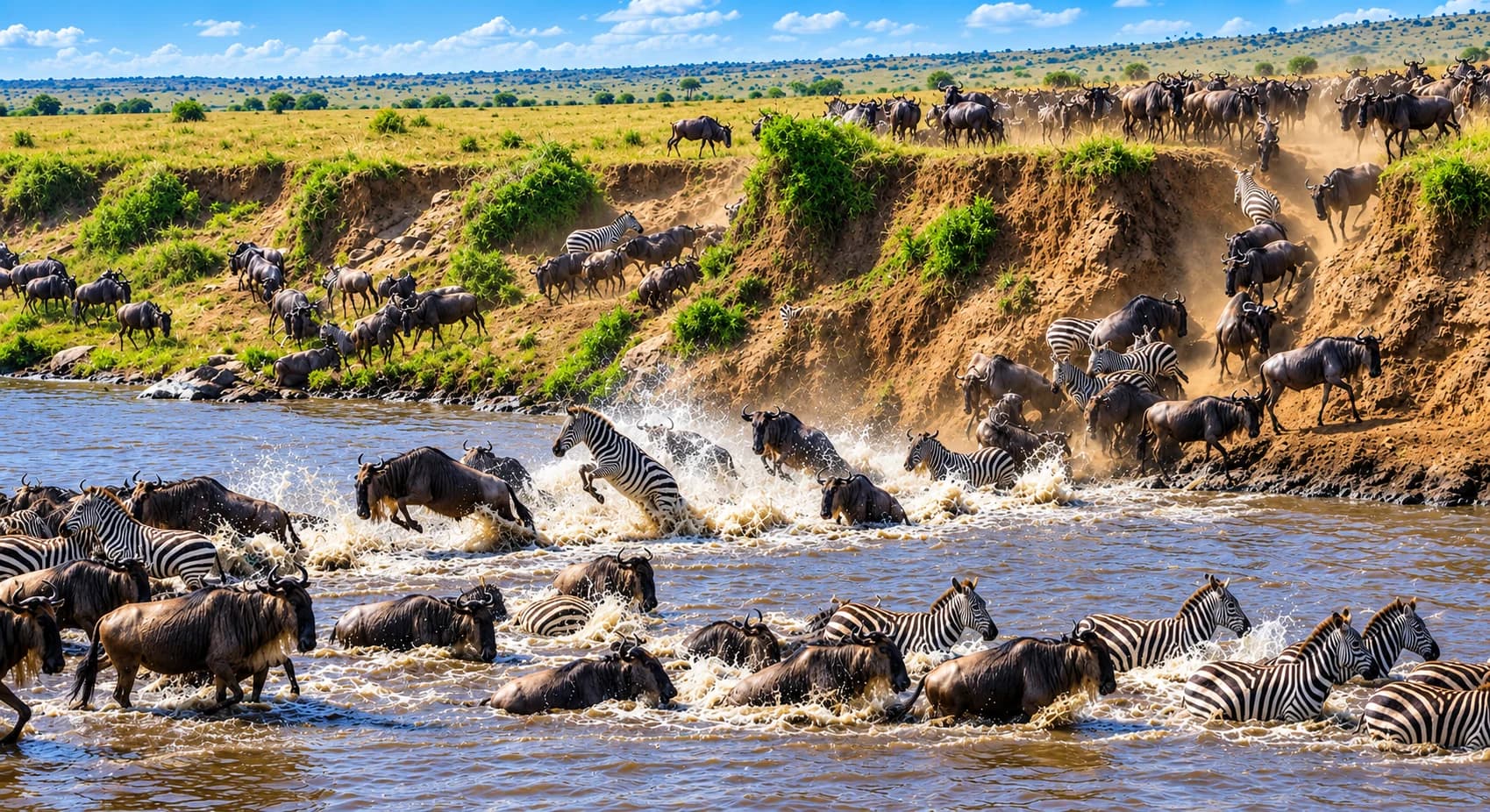
A migration-focused itinerary needs a discussion of the area you will visit during your travel period. Avoid treating a camp name or a single photograph as a promise of a river crossing. Wildlife movement and the day’s conditions require flexible expectations.
If your priority is broader game viewing, ask how the proposed base supports that plan. Compare staying in one area with moving between camps, including the travel involved. TANAPA’s visitor information describes both road and air access, which gives you different ways to structure the journey.
Sources: TANAPA — Serengeti visitor guide
Use day allocations as planning examples
The examples below are conversation starters, not ready-to-book itineraries. International arrival and departure, driving distances, room availability, and your chosen parks all affect the final sequence. A shorter trip benefits from a clear priority rather than trying to reproduce every part of a longer circuit.
Before adding another destination, ask which existing day it would replace and what the extra transfer changes. A quiet afternoon at camp or another morning in the same wildlife area may be more valuable to your group.
| Time available | Starting point to discuss | Main trade-off |
|---|---|---|
| A short safari | Choose a main wildlife area and realistic transfers | Fewer destinations give more usable field time |
| Around a week | A crater outing with several Serengeti nights | Balance variety with the road or air journey |
| A longer circuit | Additional nights or a second Serengeti base | Match each move to an interest and travel period |
Ask for the daily sequence, not just a park list
A useful proposal names the camp, transfer, and activity for each day. Ask which days are mainly travel days, what happens if a flight changes, and how the guide will adapt drives to the group’s interests. Families and photographers may value a different rhythm even on the same route.
Share the experiences you would most regret missing, alongside the amount of time you can spare. That makes it easier to choose an allocation that gives both destinations a clear role in the trip.
- How many full game-viewing days does the itinerary actually contain?
- Why is each Serengeti camp appropriate for our dates?
- Where do we sleep before and after the crater visit?
- Which park fees, transfers, and activities are included?