Plan a practical safari packing list around airline baggage limits, cool dawn game drives, dusty tracks, and comfortable evenings at camp.
Packing for Tanzania is easier when you picture a complete safari day: a cool departure before sunrise, dusty tracks through the afternoon, and a relaxed dinner back at camp. Build your bag around those changes, then check the requirements of every flight on your itinerary before adding the extras.
Before you start planning
- Choose a manageable soft bag and confirm the allowance for each flight.
- Pack light layers you can combine rather than a different outfit for every day.
- Keep documents, essential medication, and fragile equipment accessible.
Start with your bush-flight baggage allowance
A small aircraft has very different baggage constraints from your international flight. Coastal currently publishes a standard allowance of 15 kg per person including hand luggage, with soft bags strongly recommended. That is an airline-specific example: check your actual ticket, bag dimensions, and any pre-booked additional allowance before you travel.
Weigh the packed bag together with your daypack, camera, and other items that count toward the limit. Ask about storing luggage you will not need on safari, especially if the same holiday includes a mountain climb or a longer beach stay. Extra luggage arrangements need to be discussed before departure; arriving willing to pay does not guarantee space.
Sources: Coastal — current luggage policy
Build a small wardrobe of useful layers
Comfortable, breathable clothes are useful for long hours in a vehicle. A fleece or light warm jacket earns its place on an early game drive, while a lightweight outer layer gives you options when conditions change. Choose clothes you already enjoy wearing and can comfortably sit in for several hours.
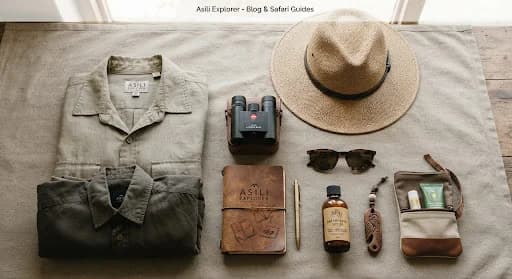
A practical starting point is three or four tops, two comfortable pairs of trousers, a warm layer, and a light rain jacket. Add underwear and socks according to your laundry plan. Ask your camp which services are available and how quickly items can be returned; do not build your packing plan around a same-day service that has not been confirmed.
- A broad-brimmed hat and sunglasses for exposed daytime drives.
- Light long sleeves and trousers for cooler mornings and evenings.
- Comfortable closed shoes, plus simple sandals for time at camp.
- A swimwear set if your accommodation or beach extension calls for it.
Make the daypack work for you
Your daypack should hold the things you want without unloading your main bag at each stop. Keep it small enough to sit comfortably beside you in the vehicle. A refillable water bottle, sun protection, tissues, a spare layer, and a compact notebook cover many ordinary needs.
Carry essential personal medication in its labelled packaging and keep important documents with you. Talk to an appropriate health professional about your own travel requirements before departure. The packing list should reflect your needs without turning the daypack into a second suitcase.
- Passport, relevant travel documents, and accessible booking contacts.
- Essential medication and any personal items you need during the day.
- Water bottle, hat, sunscreen, and a compact rain layer.
- Binoculars or a camera you are comfortable using.
Protect your camera and simplify charging
Dust is part of a vehicle safari, so give cameras and lenses a protective pouch or bag that closes properly. A small cleaning kit, spare memory card, and charged battery are more useful than unfamiliar accessories. Practise with your equipment before travelling so a good sighting does not become a search through the settings menu.
Confirm the charging facilities and plug requirements with your accommodation. A small power bank can help during transfers, but check your airline’s current battery rules and keep batteries where the airline requires them. If photography is a major priority, declare the weight of your equipment when discussing bush flights.
Leave room for comfort rather than spare outfits
Heavy hard cases, multiple formal outfits, large toiletries, and duplicate electronics can make a mobile safari unnecessarily awkward. Most travellers can reduce their bag by choosing one dependable pair of shoes and a small set of clothes that work together.
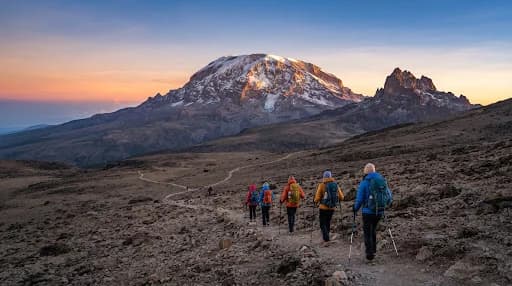
A trek needs a separate mountain equipment checklist: a safari fleece is not a substitute for summit clothing. Likewise, keep beach clothing together if you will not use it until Zanzibar. Dividing the trip into safari, mountain, and coast makes it easier to decide what belongs in each bag.
Do one complete check before departure
Lay out everything once, remove the duplicates, and weigh the final bag. Then send your planner the questions that affect the itinerary: flight limits, available laundry, storage between activities, and equipment that needs special handling. Confirm those answers against your final bookings rather than an early draft itinerary.
Pack for a day of comfort and curiosity. Leave enough space to find things easily and enough flexibility to add or remove a layer. A well-organised bag helps you settle into the journey as soon as your guide meets you.